
Experiential Learning
GWHT offers a suite of courses that cover topics directly linked to the activities of the center. These courses serve to cover concepts in human-centered design, the scientific method, and implementation science all of which are essential for translating ideas to impact. Below is a list of our current course offerings.
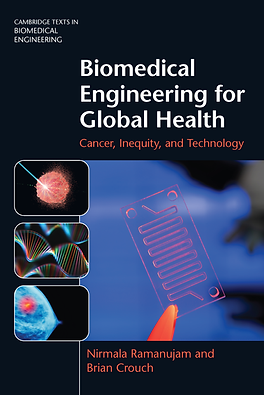
BME 290 - Biomedical Engineering for Global Health: Cancer, Inequity, and Technology
BME 290 provides a thorough introduction to the historical and current role that technology and innovation has played in cancer management and prevention in the 21st century in relation to its capacity to bridge disparities. Through the lens of technology, students will explore a variety of perspectives impacting the complexity of cancer care. Students will develop knowledge applicable to a future career in medical technology development, public health, and biomedical research, and skills encompassing data analytics, statistics, and clinical trial design.
BME 462L - Design for the Developing World
Design of custom devices to help the specific and unique needs of under-resourced healthcare settings. Formal engineering design principles will be emphasized and include topics such as device regulation, patent issues, and engineering ethics.
Oral and written reports will be required.

_JPG.jpg)
Bass Connections - Ignite: Evaluating Impact of STEM Design and Mentorship in Durham
EHD 395T/396T (Undergraduate) & EHD 795T/796T (Graduate) is a course in which the student team evaluates the components of a middle- and high-school engineering experience called Ignite, where over 60 undergraduates have taught more than 200 Durham-area students with the aim of increasing STEM knowledge and retention while bolstering community identity.
Bass Connections - Maternal Empowerment Through Cervical Health Monitoring
This interdisciplinary project explores how cervical imaging could support greater understanding, autonomy, and informed decision-making during late pregnancy.
Using a human-centered design approach, students gather perspectives from pregnant and recently pregnant individuals as well as clinicians to examine the feasibility and acceptability of adapting GWHT’s Callascope for cervical monitoring. The team will use these insights to develop early design concepts, potential clinical workflows, and policy recommendations, with particular attention to improving access and maternal health outcomes in rural and underserved communities.
